Why This Research Matters
“Growing pains” is one of the most common reasons children experience recurring limb pain. Yet despite affecting up to 37% of children, it remains one of the most poorly understood conditions in paediatric medicine.
There is no widely accepted definition, no standard diagnostic criteria, and no clear treatment pathway. For most families, the experience is the same: their child is in pain, and they are told to wait it out.
This is not acceptable. The Hawkins Institute is conducting one of the largest studies of its kind to change this — building the evidence base needed to ensure childhood pain is taken seriously, properly investigated, and effectively treated.
The Problem With the Term “Growing Pains”
The term “growing pains” has been in use since the 1820s, but its meaning has never been clinically defined. It is widely used as a catch-all explanation for childhood limb pain — yet there is no evidence that the pain is actually caused by growth.
This vagueness creates real problems. When a child is told they have growing pains, parents often feel reassured. But that reassurance can come at a cost — it discourages further investigation, delays diagnosis, and means treatable conditions may be missed entirely.
Our research challenges this assumption head-on. We want to understand what is really happening when a child experiences recurring limb pain — and replace a vague label with real answers.
What This Study Aims to Explore
This study sets out to build a comprehensive picture of childhood limb pain as experienced by families across the UK and beyond. We want to understand:
- How common childhood limb pain really is and what patterns exist
- What types of pain children experience, including location, frequency, and severity
- How the pain affects daily life — including sleep, activity, school, and wellbeing
- What diagnoses and treatments families have received
- Whether biomechanical and developmental factors play a role
- What the experience looks like from the perspective of adults who lived through it
What We Are Collecting
The research survey gathers information across several key areas, designed to build the most complete picture possible:
- Pain location — where the child experiences pain (legs, feet, knees, hips)
- Frequency — how often pain occurs (daily, weekly, intermittent)
- Severity — mild, moderate, or severe impact
- Activity levels — whether pain affects physical activity and sport
- Sleep disruption — night waking and difficulty settling
- Gait, posture, and musculoskeletal concerns — flat feet, in-toeing, hypermobility
- Diagnosis and treatment history — what families have been told and what support they have received
What We Hope to Change
The ultimate goal of this research is to create real, lasting change in how childhood limb pain is understood and managed:
- Better understanding — replacing vague labels with evidence-based insights
- Clearer clinical pathways — giving healthcare professionals the tools and knowledge to investigate and refer appropriately
- More effective treatment and support — ensuring children receive the right help at the right time
The Real-World Impact
Childhood limb pain is not just an inconvenience. For many families, the impact is widespread and ongoing:
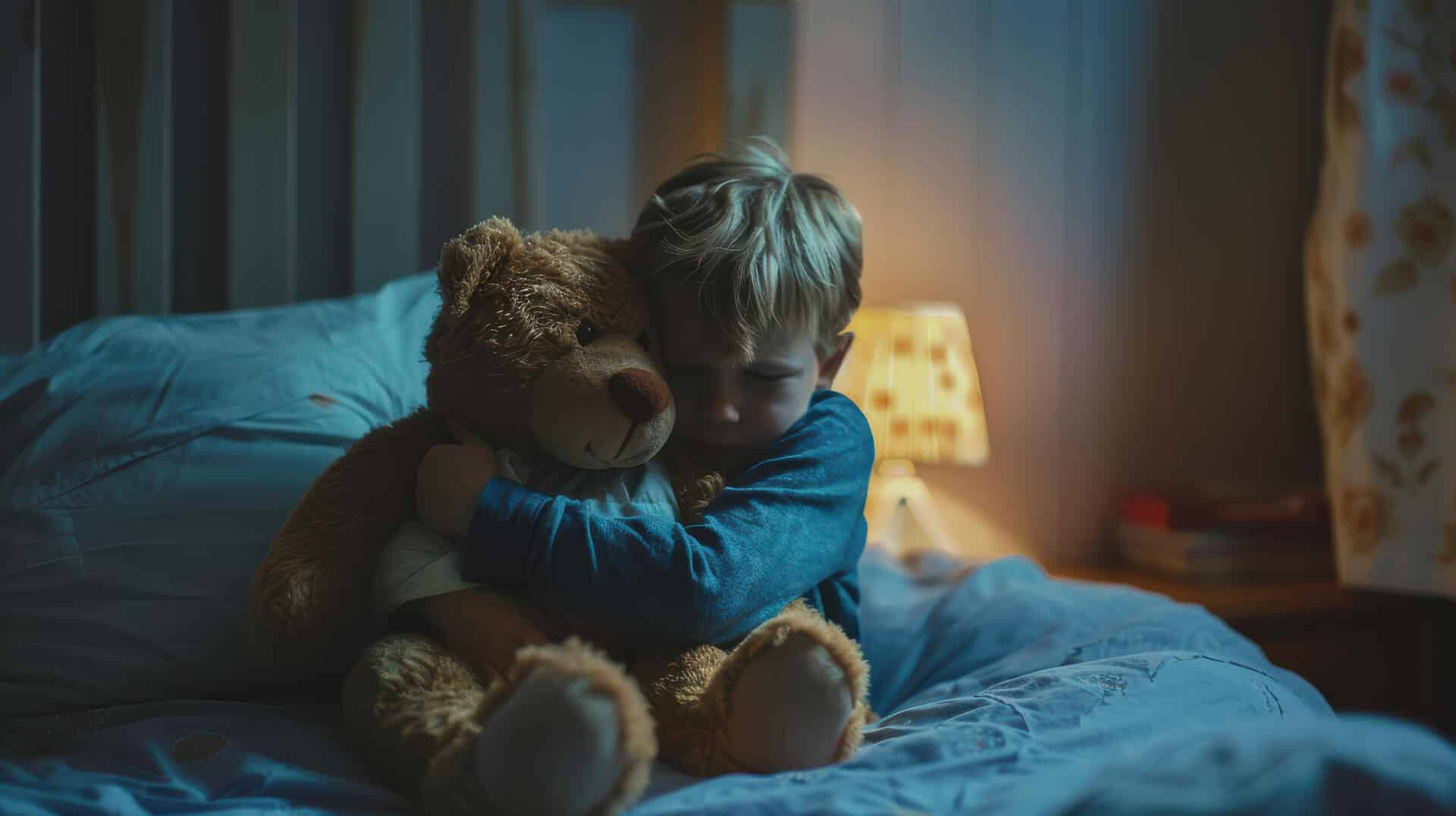
Sleep Disruption
Children are frequently woken by pain at night, losing sleep and starting days already exhausted.

Reduced Activity
Pain can limit physical activity, leading children to withdraw from sport, play, and exercise during critical developmental years.
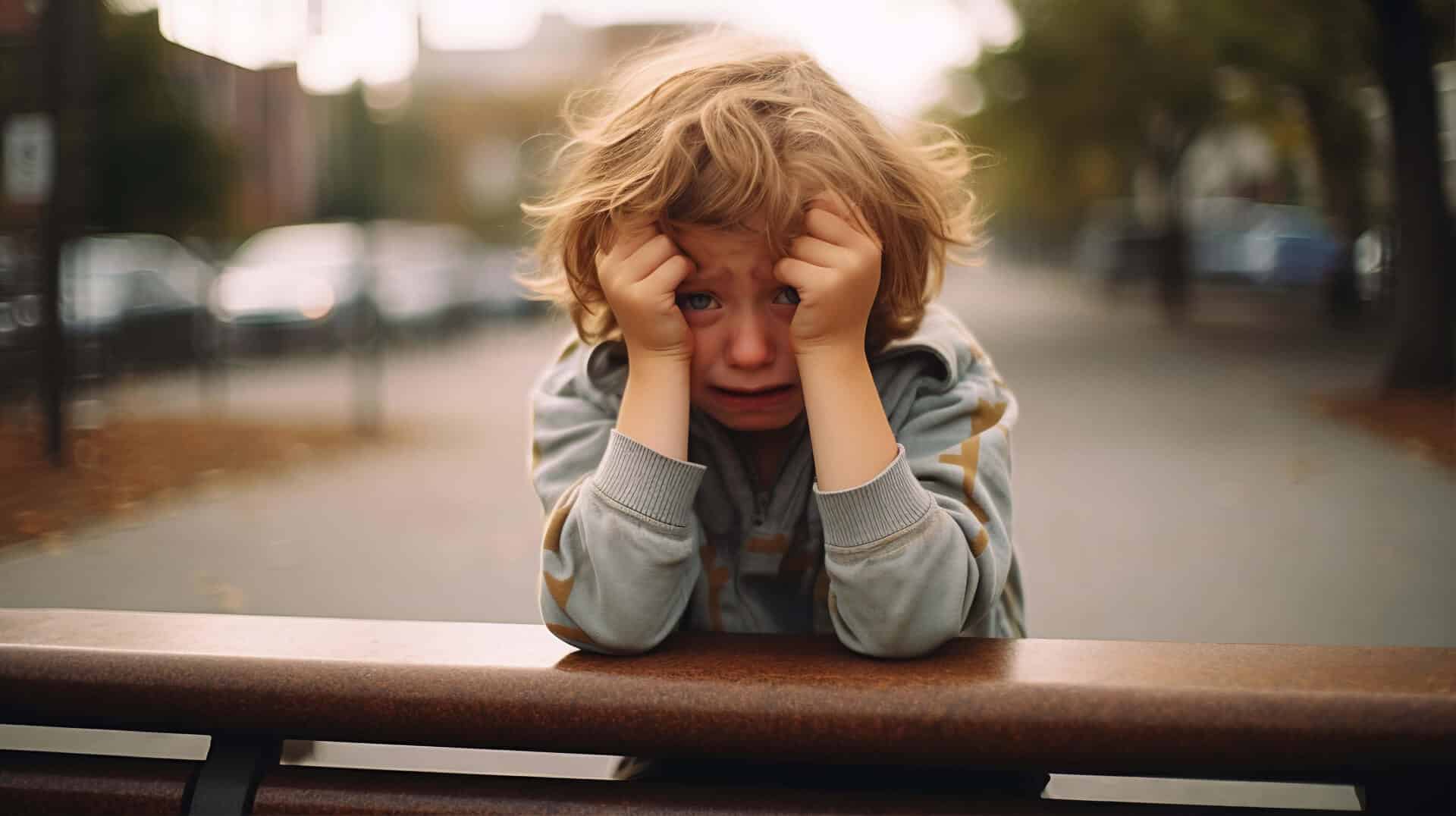
Emotional Distress
Persistent pain causes frustration, anxiety, and genuine distress for children and their families.

Confidence and Development
Missing sport, avoiding activities, and dealing with unresolved pain can affect a child's confidence, self-esteem, and social development.

School Impact
Sleep loss and pain can affect concentration, attendance, and participation — with knock-on effects throughout a child's education.